First, let’s look at the most used short-term options:
-
- Hotels
- Apart-Hotels
- Pension
- Motels
- Hostels
- Capsule Hotels
- Guest House
- Bed & Breakfast
- Flats
- Rooms in Flats
- Houses / Villas
- Tents / Trailers at the camping site
Now let’s break down each type separately.
-
Hotels
Hotels are the most common type of accommodation we book when we travel. We can always find local and international standards. Room rates in all hotels vary a lot and depend on many factors.
From the location of the hotel
Room rates can vary significantly from country to country and city to city, even in international chains. The more unusual and farther from civilization hotel is located, the more expensive the accommodation is. It is also worth noting the beach location, i.e., the closer to the beach, the more expensive it is.
Number of stars
The more stars a hotel has, the more expensive it is. There are one to five stars (and even without stars). The cost can vary from the fairest offers to costly rooms.
Number of beds per room
The more beds a room has, the more expensive it will cost.
Categories of the room
Rooms can also be categorized into different comfort levels, from standard to suite (see below). The higher the category, the more expensive the accommodation costs.
Additional taxes and levies
Sometimes, the accommodation rates separately include local tourist fees and taxes set in a particular region. It depends on the individual hotel.
Hotels are often classified by the number of stars they have. But this is a measure of the same standard in all countries. In some countries, a three-star hotel may be better than a four-star hotel in another country.
Some hotels have no stars at all, which does not mean that such accommodation is terrible. It is merely much more comfortable to open such a hotel than a starred one. The minimum requirements apply to them. So look and read carefully what includes in the cost such accommodation.
Also, read reviews on various websites about any hotel you like before you book a room, whether it has starred.
Level of service
Now, let’s look at the approximate level of service and facilities depending on the number of stars, which can vary from country to country:
This is a separate small room with a bed, a small table, a chair, a mirror with a washbasin and wi-fi. The TV and refrigerator are often shared, either on the floor or in the lobby. Toilet and bathroom are also mainly on the floor. Housekeeping is not done daily.
It is a small room with a bath and a toilet; the room also has a telephone, TV and sometimes air conditioning. It may offer a simple breakfast. The housekeeping is done every day.
This room has a bathroom with a toilet (with 3 sets of towels per person, shower gel, and shampoo), a telephone, a TV, just a fridge or a minibar. Housekeeping service every day. Restaurants or cafes are on-site and small car parks for guests.
This is an air-conditioned room with a minibar, telephone, TV, safe, private bathroom with hairdryer and shampoo/shower gel. The hotel sometimes provides slippers and a bathrobe. Laundry and ironing services are often available, and it offers daily housekeeping. Besides standard rooms, suites or superior rooms are available. There is a restaurant or café on-site with a “delivery to the room” service and secure parking. There is also a gym, spa, swimming pool, massage room, and other services.
A 5-star hotel is a spacious air-conditioned room with an orthopedic mattress, slippers, bathrobes, minibar, TV, telephone, safe, and work area. Large bathroom with hairdryer and a set of cosmetics. Daily wet cleaning of the rooms. Laundry and ironing service, shoeshine, bellboy, personal assistant, and driver are available. Reception is open 24 hours a day in these hotels, and the staff speaks several languages. There are several bars and restaurants. Meals are delivered to the room. Also commonly found in such hotels are a swimming pool, gym, spa, helipad, sometimes even a golf course, and other excellent facilities.
Room types
Now let’s break down the room types by the availability of beds and comfort level. These are mainly:
-
- Single (SGL) is a room for one guest.
- Double (DBL) is a room with one double bed.
- Double Twin (DBL TWN) is a room with two single beds.
- Triple (TRPL) is a room, usually with two beds and a sofa.
- A quarter (4 PAX) is a room for four people.
- Standard (STD) is a standard single room.
- Connected Rooms are interconnecting rooms with a door between them.
- Terrace / Balcony Room – Room with a terrace or balcony.
- The Superior Room is superior.
- Business – This room comprises a bedroom and a living room with a work area.
- The Mini-Suite is a superior room category.
- Junior Suite is a suite with a superior layout.
- Suites are superior rooms, often comprising a living room and a bedroom.
- De Luxe rooms are the most luxurious rooms.
- Family Rooms are family rooms with a living room and one or two bedrooms.
- Duplex – duplex rooms.
- Honeymoon Rooms are honeymoon rooms, usually deluxe options.
- Studio – It’s one room with a kitchenette.
- Studio Suite – A superior room with a kitchenette.
- Family studio – a room with a couple of bedrooms and a kitchenette.
- Apartment (APT) – separate apartments with a kitchen.
- The Penthouse/Presidential Suite is the most luxurious room the hotel offers. They have several bedrooms, bathrooms, an office, and a personal assistant.
- Bungalow (BGL, BG) / Cabana – accommodation in detached cabins.
- A chalet is a chalet or house in the forest or mountains.
- Villa – accommodation in one- or two-story houses of different categories. There is often a garden and a swimming pool.
Additional designations
There are also additional designations in this type of accommodation:
-
- Extra Bed (EXB) is an extra bed.
- Adult (ADL) – sleeps an adult (ages 12 or 15, 18).
- Child (CHD, CH) is a bed for a child aged 2 to 12 years (sometimes up to 15 or 18 years).
- Infant (INF) – children under 2 years.
- Baby cot is a cot for children under 2 years.
- Bedroom (BDR, BDRM) – bedroom in a room.
Sometimes you may also come across designations for the view from the room window. Let’s take a look:
-
- GV – Garden View
- CV – City View
- IV – Inside View
- BV – Beach View
- RV – River View
- PV – Pool View
- SV – Sea View
- SSV – Sea Side View
- OV – Ocean View
- BF – Beach Front
- DV – Duni View
- MV – Mountain
- VV – Valley View
- LV – Land View
- ROH – Run of the House
Special Hotels
Some hotels can delight even the visiting traveler with their uniqueness. For example, these are:
-
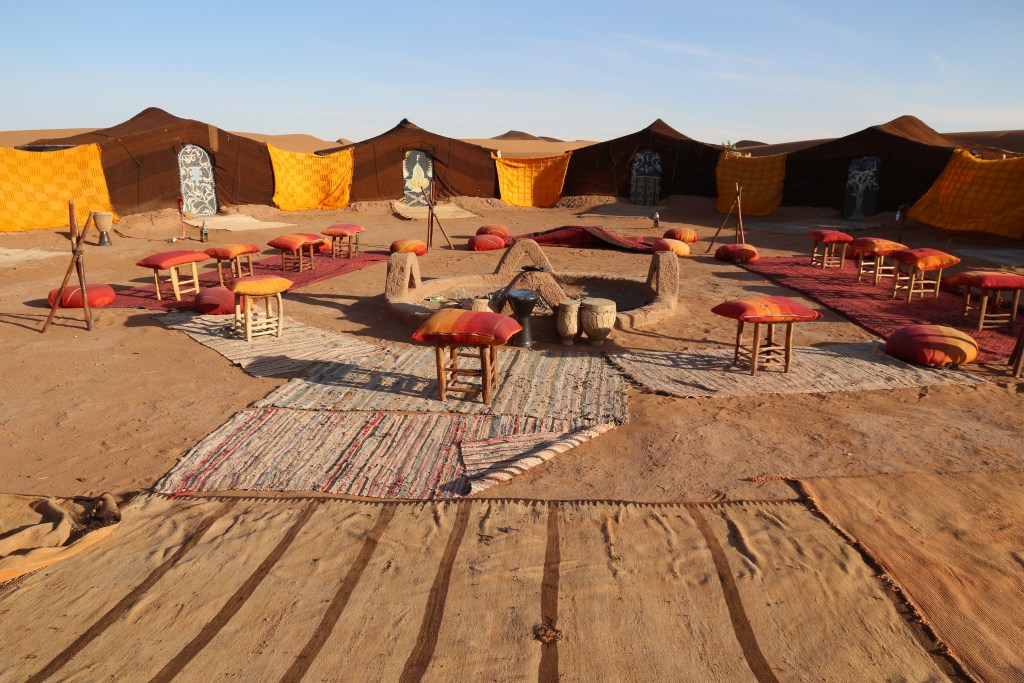
- luxury tented hotels in the desert or mountains
- water bungalows in the middle of the ocean
- ice hotels in the Nordic countries
- ancient castle-hotels with a fascinating history on top of the mountains
- underwater hotels
- hotels, where there is no live staff, but robots work instead
-
Apart-hotels
These are individual apartments with a small kitchen. They are usually in a multi-story building in the city. Accommodation in an apartment hotel is booked in the same way as a hotel room. You can rent such an apartment for a short period (from one day) and a more extended period (from one month to several years). And the best thing is that you do not need to make a rental agreement for booking a flat. Accommodation booked merely by the documents. As a rule,
apart-hotels have additional services, such as laundry, dry cleaning, and housekeeping.
-
Pension
This type of hotel is found mainly in Europe, North Africa, and South America. You usually find boarding houses in small buildings. Small car parks and gardens are next to the guest house. Rooms in such places typically cost less than in a hotel. They have a café or restaurant on their premises. Often offer breakfast or a full meal.
-
Motels
These are low-budget, low-rise hotels that are close to motorways and roads. Rooms are inexpensive, and the service is minimal. You can get into their rooms directly from the street, which is not always safe. You can get to the room of such accommodations straight from the road, which is not still safe.
Motels are primarily popular with car travelers.
-
Hostels
These are low-budget hotels where you can rent a bed in a shared room.
Hostels rarely have stars, but there are pleasant exceptions. A hostel’s cleanliness and location can compare to some excellent hotels in some countries, if not surpass them.
You can rent a bed for a short or long period. This type of accommodation usually shares a bathroom and a toilet. There may also be a shared kitchen. Rooms are typically divided into men, women, or mixed (where both men and women sleep). Hostels usually offer one of the cheapest accommodation options. You can sometimes book a private room in the hostels, comparable to a hotel room’s cost.
-
Capsule hotels
Capsule hotels first appeared in Japan but have already become quite common around the world. This hotel format is usually located close to train stations, entertainment districts, and even airports. The room in such a hotel is a capsule, either single or double. There you sleep, read, and watch TV. It is equipped with plugs and sockets, shelves for minor items, and sometimes personal hygiene items like soap, toothbrushes, toothpaste, etc. It can be closed with a curtain or a plastic door.
The capsules are usually arranged on several floors and rows in the same room. Capsule rooms come in male, female, and mixed.
Toilet and shower facilities are shared. You can leave your suitcase in the locker in another room. There is also sometimes a shared kitchen and lobby where you can watch TV.
This type of accommodation is quite unusual and relatively economical, but it is not suitable for everyone. For example, large and tall people and people with claustrophobia will not feel comfortable in such a capsule.
-
Guest House
It is a hotel-house with a homely feel. It is usually a two or three-story sizeable private house where the owner lives either on the same property (but in another wing/part of the house) or in accommodation nearby. There is no (or very few) full-time staff, and the house owner and his family oversee all workflow. The Guest House offers rooms for rent (usually up to 20) or part of the house. The house itself officially meets all the requirements for hosting guests, such as fire safety, ventilation, heating, sanitary conditions.
Often the owner lays down specific rules and additional services for the accommodation. For example, some have restricted check-in times (no overnight stays), other establishments have breakfast and/or full meals. Also, some Guest Houses will offer you cosmetics and plenty of towels. You may use the kitchen, but more often, there is a restaurant nearby, or the owner offer you a home-cooked meal.
On the plus side, the price and the usually secluded location of the building. The owner welcomes and can offer advice if you need anything. If the guest house provides food, it is generally homemade and more healthy.
-
Bed & Breakfast
Like the previous Guest House, it is a homely hotel where the owner offers a single or double room plus breakfast. The toilet and shower in such accommodation are in the room or shared. There is also a common area where guests can relax and watch TV.
The owner of the Bed & Breakfast usually lives on the same property as the guests. The house itself is not as big as, for example, a Guest House, and the number of rooms can be up to 10. Sometimes a Bed & Breakfast can be a duplex or a semi-detached house. They are often in quieter urban areas or the countryside. Some advantages of staying here are the cheap room rates and the quietness of your stay + homemade breakfast.
-
Flats
The private flat is a simple solution that can be booked by the day or by the week. They come in many sizes, so it’s a good idea to read reviews from previous visitors each time you make a reservation. It usually comes with a kitchen, internet, TV, and furniture. Many have a microwave oven, dishwasher, washing machine, iron, and air conditioning. The more beds and the closer to the center, the more expensive the rent will be.
The stay usually includes a set of towels, cosmetics, and utensils. But you have to check with the renter. In some Asian countries, you pay extra for knives.
PRO
The advantage of this accommodation is that you will have it at your disposal for the same money you spend in a hotel, with more space and a kitchen. Often you can book a flat in the area you want to visit or in the city center. If you are
traveling with children, having your own kitchen will only be a plus.
CONS
The disadvantages are that not everywhere you can pay by bank card. It is also necessary to make an appointment in advance with the landlord to check-in. In most cases, flats are not cleaned during the guest’s stay, only before and after occupancy. The most unpleasant nuance you may encounter is when you enter the flat. You may have booked and paid for one apartment, but then you are offered an entirely different one. It’s good that such cases are rare, but they occur. Therefore, only try to rent your flat through a trustworthy website and read the reviews before you book.
Condominium
Condominium rentals are very usual in Asian countries. The advantage of condominiums is that they are closed in secured areas. There is usually a fitness room or swimming pool on the ground floor and a concierge at the entrance. Condominium flats are very popular with foreign tourists.
-
Rooms in flats
Renting a room in a private flat can also be quite convenient. The landlord usually lives in the flat and rents out other chambers to tourists. Such options are close to metro stations or big tourist sites. Guests may be offered breakfast or the possibility of using the kitchen. Toilet and shower facilities are often shared. The room option can be pretty economical and quite relaxing.
-
Houses / Villas
As we have written before, luxury hotels also offer cottage and villa rentals. Still, if you want more privacy, you can rent a detached house or villa for short periods from a private individual or agency. It’s an excellent option for larger groups, especially those with children. You stay in the mountains, by the sea or close to nature parks. There is usually a swimming pool, a garden, a barbecue area, and a children’s spot on the property.
Renting this type of accommodation is relatively expensive. Still, if you check in with a large group and share the costs, it can be cheaper than the hotel option. A cash deposit is possibly requested in case of damage to the property before you check-in.
-
Special accommodations: tents/trailers at the camping site
Like the hostel, this is one of the cheapest types of holiday accommodation. Besides trailer and
tent rentals, many campsites also offer additional space. The camp has common areas, such as toilets and showers, barbecue, and picnic areas. This type of accommodation is excellent for nature lovers and long hikes in nature parks.
Keep in mind that there are campsites designed for tents only.
Attention! Luxury campsites have recently become popular, combining outdoor recreation with maximum comfort. The cost of accommodation for such camps is higher than ordinary ones and can be as much as a suite’s cost in a five-star hotel.