SPAIN

Don't miss this big piece of the Iberian Peninsula: cities of Spain, best season, as well as a little about Spanish culture and gastronomy

THE BULL SKIN

Location

Spain is in the South-West of Europe on the Iberian Peninsula. It borders France, Andorra, Portugal, and Morocco on land, and it is one of the ten most touristic countries in the world. Many cities in Spain are trendy and filled with exciting sights, and most of the coastline of this country has been converted into conveniently accessible beaches.

Capital

Madrid

Weather

Spain has a subtropical climate and Mediterranean climate. Temperatures vary depending on the region. Mortalities, hurricanes, tornadoes, and other climatic disasters are very rare in this country. Sometimes there are earthquakes, mostly not strong.

  • Winter (21 December to 20 March): from -10 to +20.
  • Spring (20 March to 21 June): from +10 to +22
  • Summer (21 June to 22 September): +20 to 45
  • Autumn (from September 22 to December 21): from +10 to +22

Currency

EURO

Time zone

CET (UTC+1, SUMMER UTC+2).

How to get

It’s mostly easier to get on a plane. There are many airports in the country. But don’t rule out train and bus. They are mostly accessible from other European countries. By ferry, you can come to Spain from Italy, France (island Corsica), Algeria, Morocco. There are also ferries to the main Spanish islands.

Culture and art

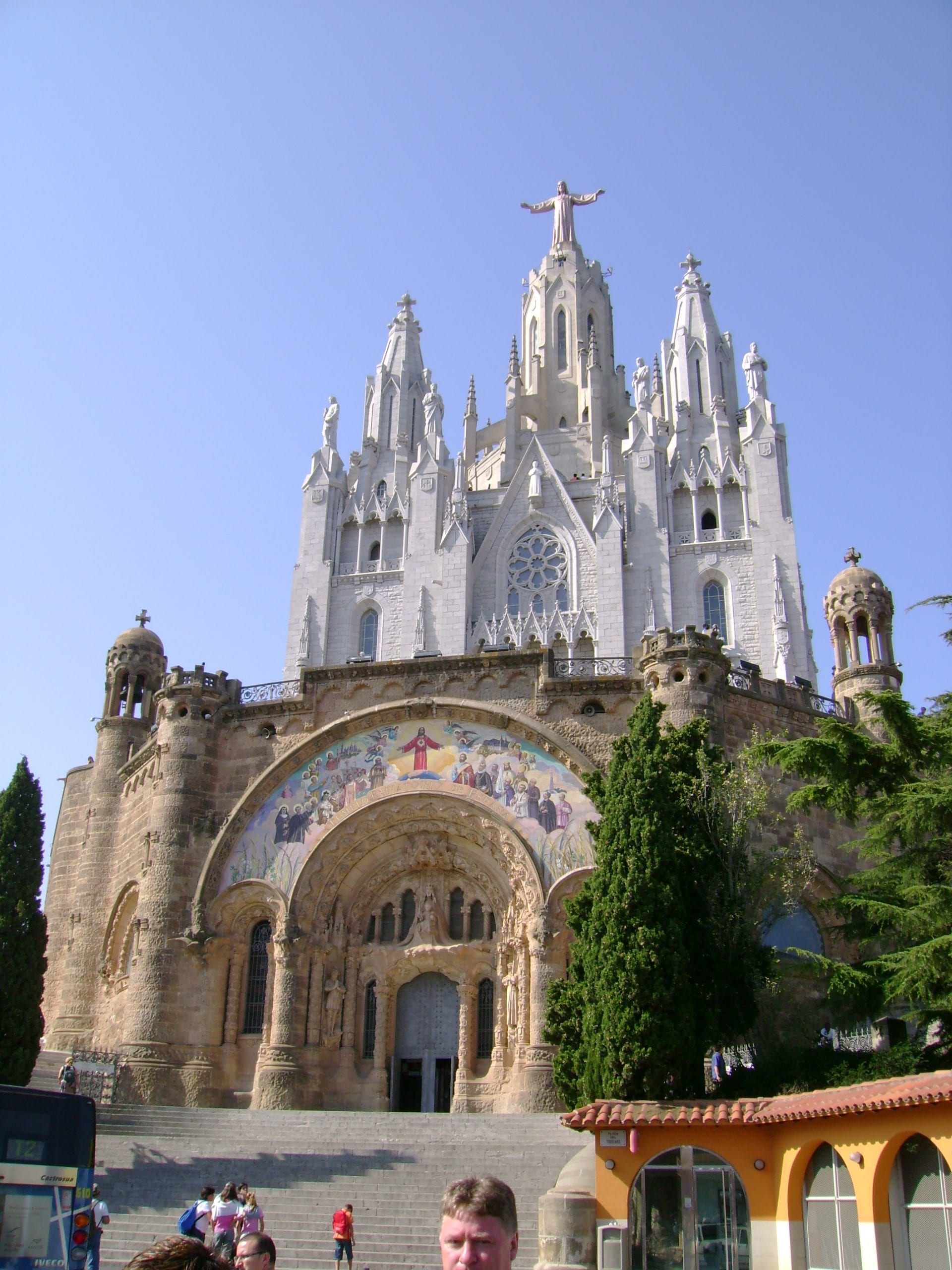
Spain is rich enough and culturally diverse. Many famous artists (Picasso, Dali, Velázquez, etc.), writers (Cervantes, Lorca, Vega, etc.), architects (Gaudi, Herrera, Sanier, etc.) were born here. There are many museums, theatres, concert halls, ancient churches, and basilicas throughout the country. It scattered excavations of ancient civilizations and traces of the Roman Empire throughout the territory. It’s also good to note that the locals invented a passionate flamenco dance and Spanish guitar sound.

The development of culture does not stand still – modernism and modern art today are among the major topics of various exhibitions of young artists and sculptors of this country. Therefore, many cultural places in Spain will appeal to you!

Cuisine

The culinary traditions are diverse and depend on the places in Spain and the specific region. There are many Mediterranean recipes, as well as dishes typical only of this country. There are hot and cold cuisine dishes such as meat, fish, seafood, mushrooms, legumes, vegetables, and fruits. Olive oil is often used. Wine, beer, and freshly squeezed juices can be distinguished from drinks. The popular dishes are: “jamón serrano”, “cocido”, “paella”, “lentejas”, “gazpacho”, “morsilla”, and “churros” with chocolate. In the central and northern regions and the Canary Islands, cheese production from goat milk is popular. The “Tapas” is also a typical dish served in bars along with a drink. There are a lot of puree soups and salads. Often garlic is added to the food. 

Any reasonable, sentient person who looks at Spain, comes to Spain, eats in Spain, drinks in Spain, they’re going to fall in love. Otherwise, there’s something deeply wrong with you. It's the dream of all the world.

The tourist season

The tourist season lasts all year round. You can come here any month and enjoy the fantastic scenery or the excellent local gastronomy. Naturally, the Spanish summer is suitable for a beach holiday, and winter is ideal for skiing. The Canary Islands are famous for their excellent weather all year round.

Beach holiday

On the mainland and the Balearic Islands, the season begins on 15 June and continues until 15 September. However, the weather still allows you to enjoy the sea until around the beginning of October. Know that July and August are roasting in the afternoon, up to 40 degrees Celsius. The beaches of Catalonia, Valencia, Andalusia, and Murcia are popular with tourists. In the Canary Islands, the season lasts almost all year round, especially on the southern beaches. If we talk about northern beaches, it is better to come from April to October.

City holidays

It’s better to come from March to May, or September to November. In summer, the cities of Spain can be stuffy and hot, and in winter, it is windy and cool. The Canary Islands have an almost always excellent climate.

Natural holiday

As well as for the city, it’s better to choose the fall and spring months. In summer, you should be careful with high temperatures and intense sunshine. In winter – with precipitation and lousy weather.

Ski holidays

From December to February.

The major ski resorts in Spain are the Pyrenees, Sierra Nevada, Iberian System, and Central System.

Festivals

They take place at different times and in various places in Spain. For example, La Tomatina takes place in August, Fallas in March, San Fermín in July, and Seville Fair in April. We should note that there are many festivals and holidays in Spain, for all tastes.

Holidays with children

Spain is perfect for holidays with children. There are many entertainments for the entire family, the prices are affordable, and many restaurants have children’s menus. It is at a reasonable level (don’t forget to take out travel insurance).

Active recreation

For extreme lovers, this country is also a great fit. Climbing, surfing, Kitesurf, canoeing, Rafting, and other extreme sports are excellently developed here. You can parachute jump, scuba dive, ride a motorcycle on the mountain roads, go on bicycle tours, or just do some trekking in many nature parks.

PLEASURE & SAFETY

TOP 15 Destinations

1 Beaches (Canary and Balearic Islands, Catalonia, Valencia, Andalusia)

2 Barcelona city

3 Carnival of Santa Cruz de Tenerife (Canary Islands, February-March)

4 Alhambra (Andalusia)

5 Teide National Park (Canary Islands)

6 Cave of Altamira (Cantabria)

7 Toledo City

8 Museum of Prado (Madrid)

9 El Torcal de Antequera (Andalusia)

10 National Park Picos de Europa (Cantabria / Castile and León / Asturias)

11 Peniscola Castle (Castellon)

12 Mojácar (Almeria)

13 Sierra Nevada (Granada)

14 Morella (Castellon)

15 Cabo de Gata (Almeria)

The major routes

There are many exciting routes in Spain that you can take on foot or by car. Below we will highlight some of them:

Camino de Santiago (the most popular route)

Camino del Arte Rupestre

Ruta de Carlos V

Route Don Quijote

Camino del Cid

Caminos de Pasión

Vía de La Plata

Emergency phone numbers

112 – single emergency number (no need for an index) (Attention! You can use this number in all European countries, including Russia).

061 or 112 – ambulance.

080 or 112 – the fire department.

091 – Policía Nacional (national police). Call them if you are threatened, robbed, or another severe offense has happened.

062 – Guardia Civil (civil police). They are more likely to be called if you have a car accident outside your community.

092 – Policia Local (local police). You can call them if there is a mild or medium offense.

OUR TRAVEL PICTURES

03

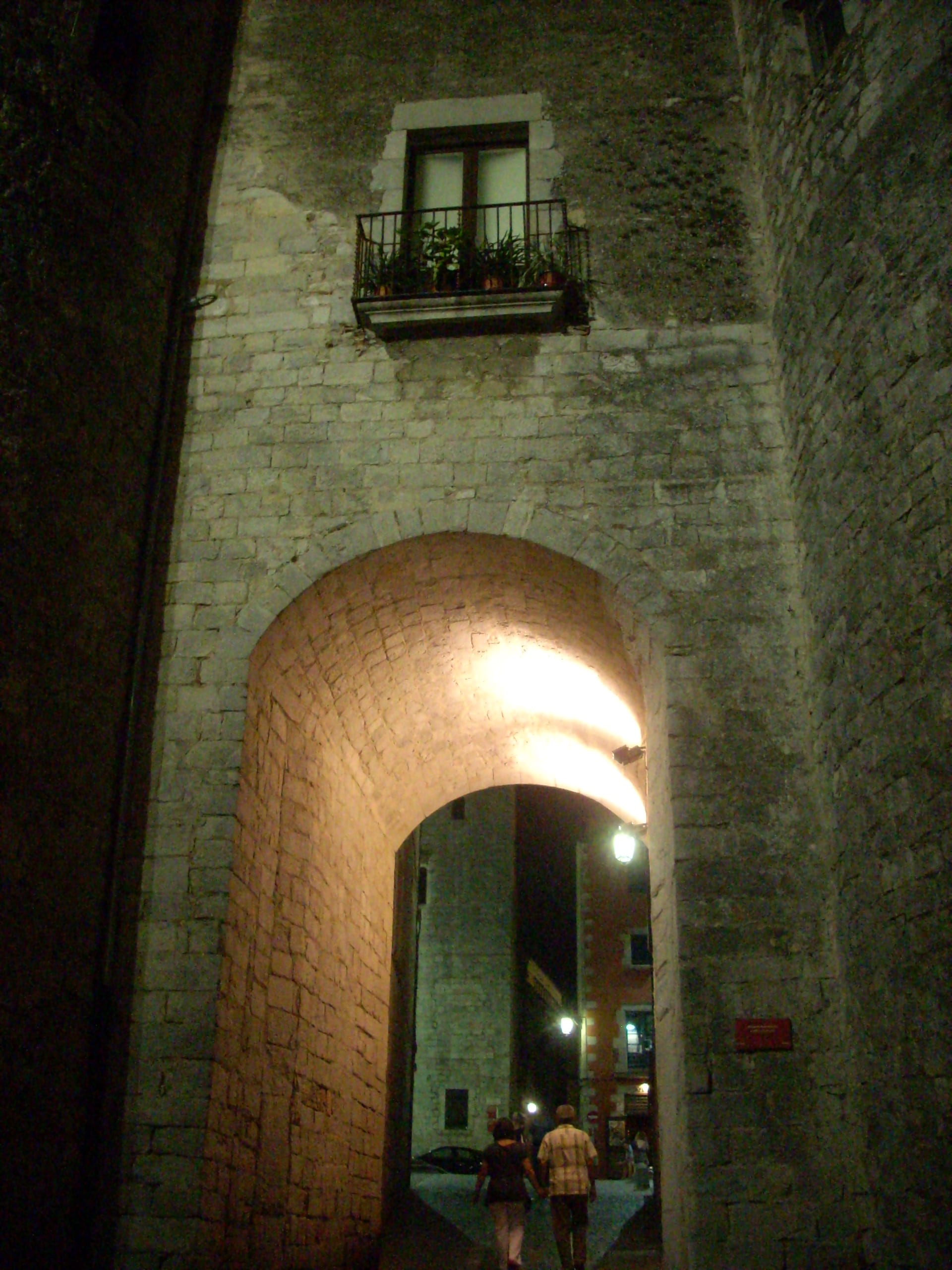
Girona

Catalonia

04

El Torcal

Andalusia

05

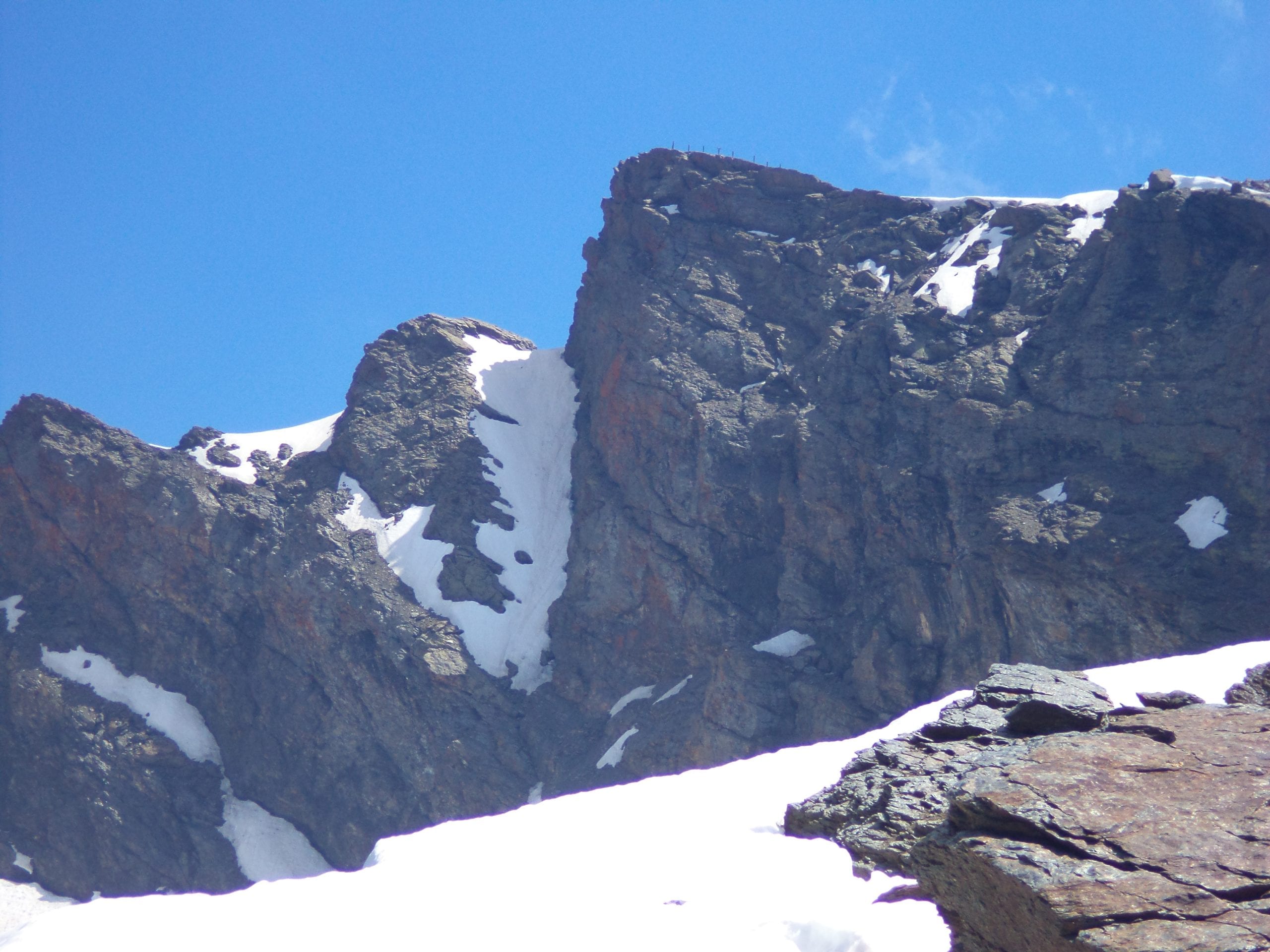
Sierra Nevada

Andalusia

06

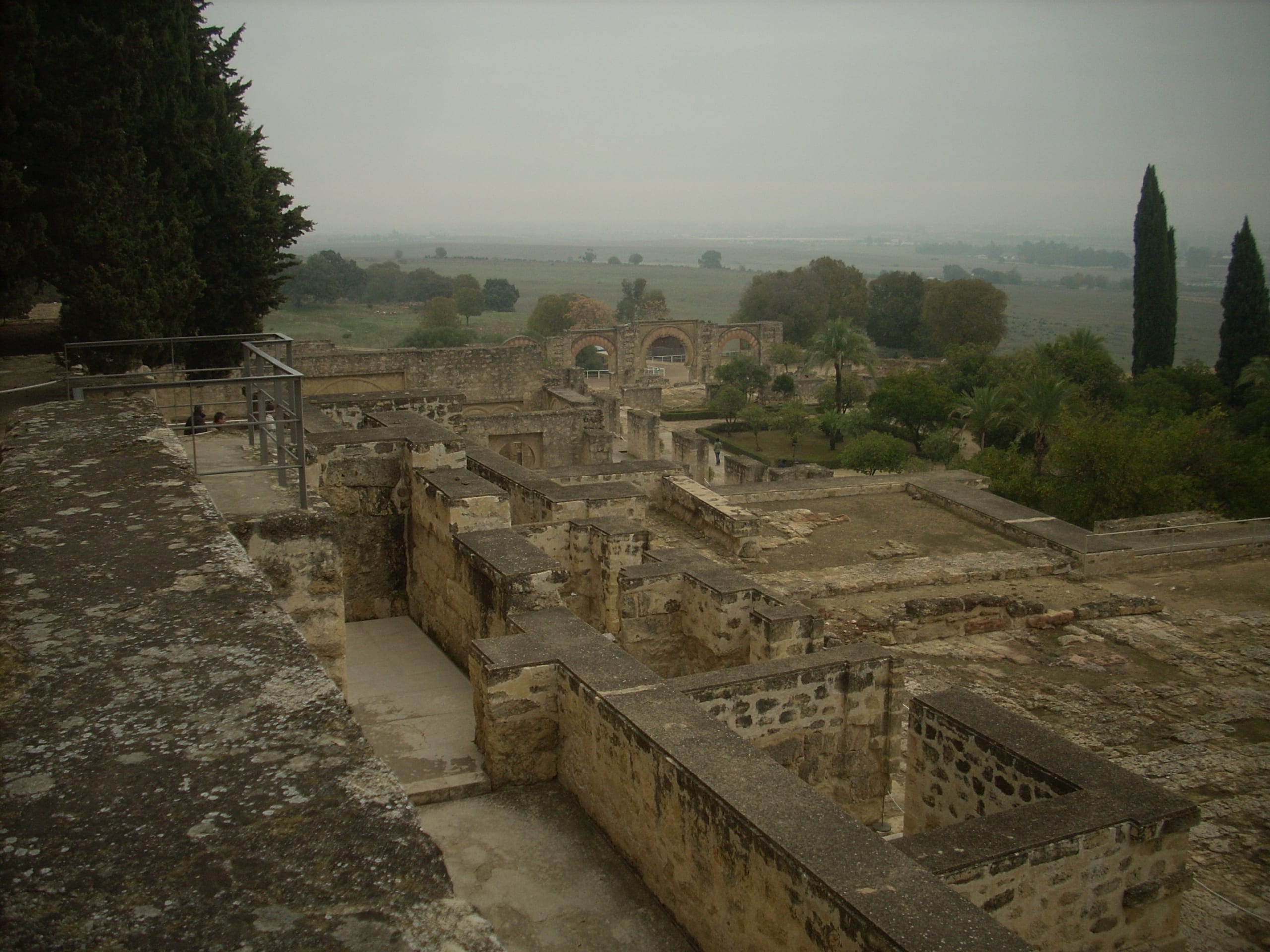
Italica

Andalusia

07

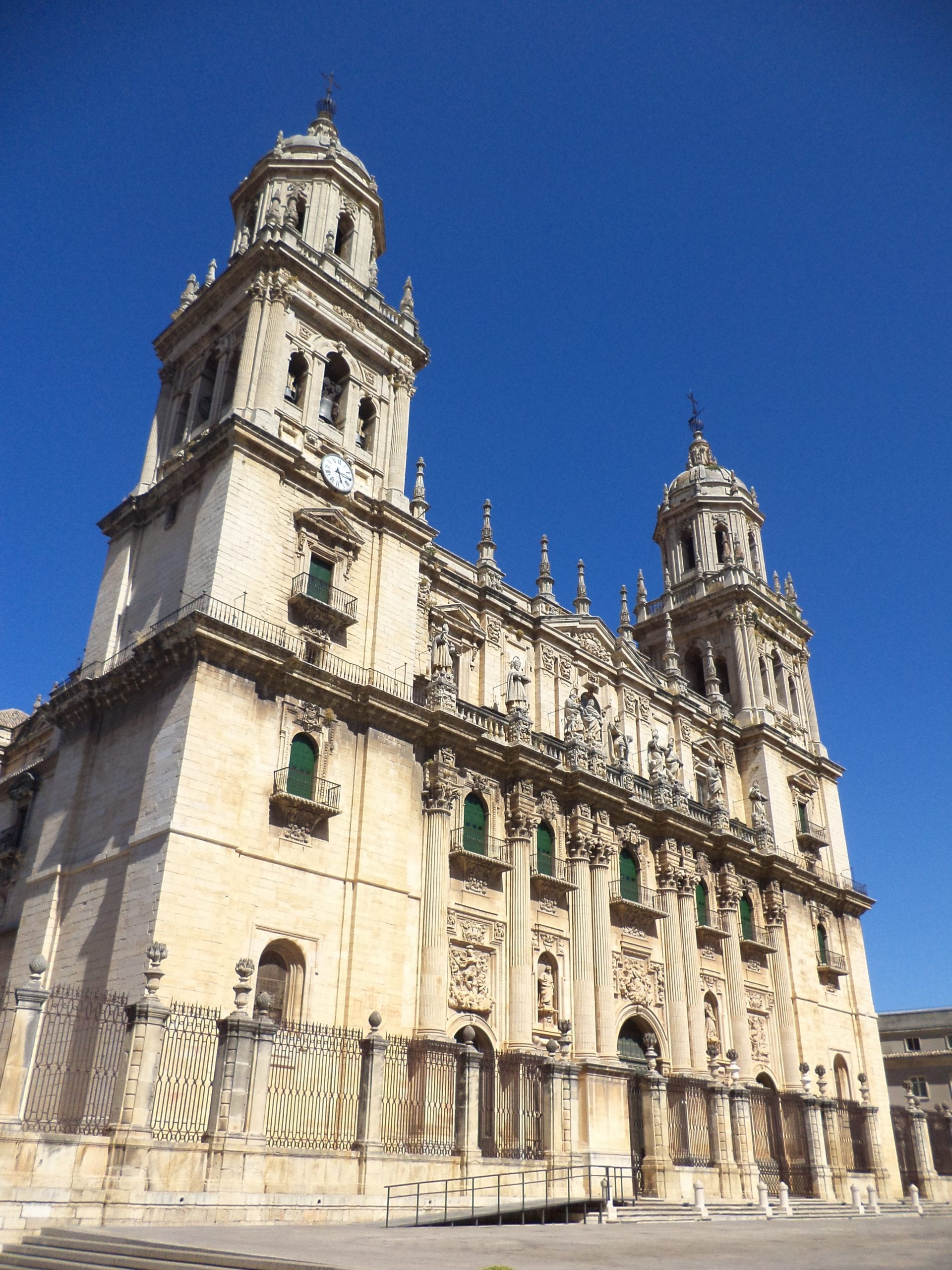
Jaen

Andalusia

08

Monachil

Andalusia

09

Seville

Andalusia

10

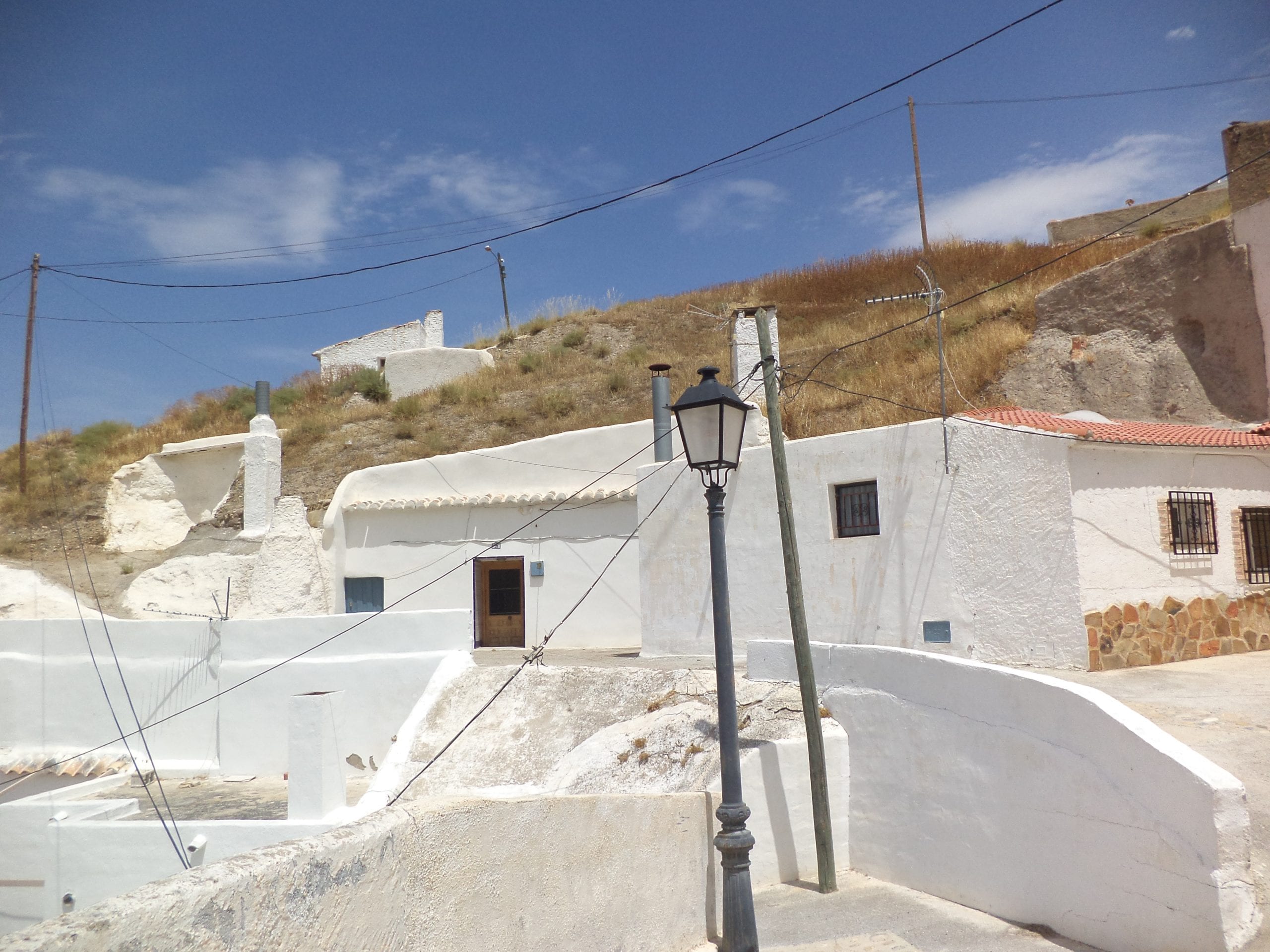
Freila - Cuevas

Andalusia

11

Canarias - Lanzarote

Canary Islands

12

Sitges

Catalonia

13

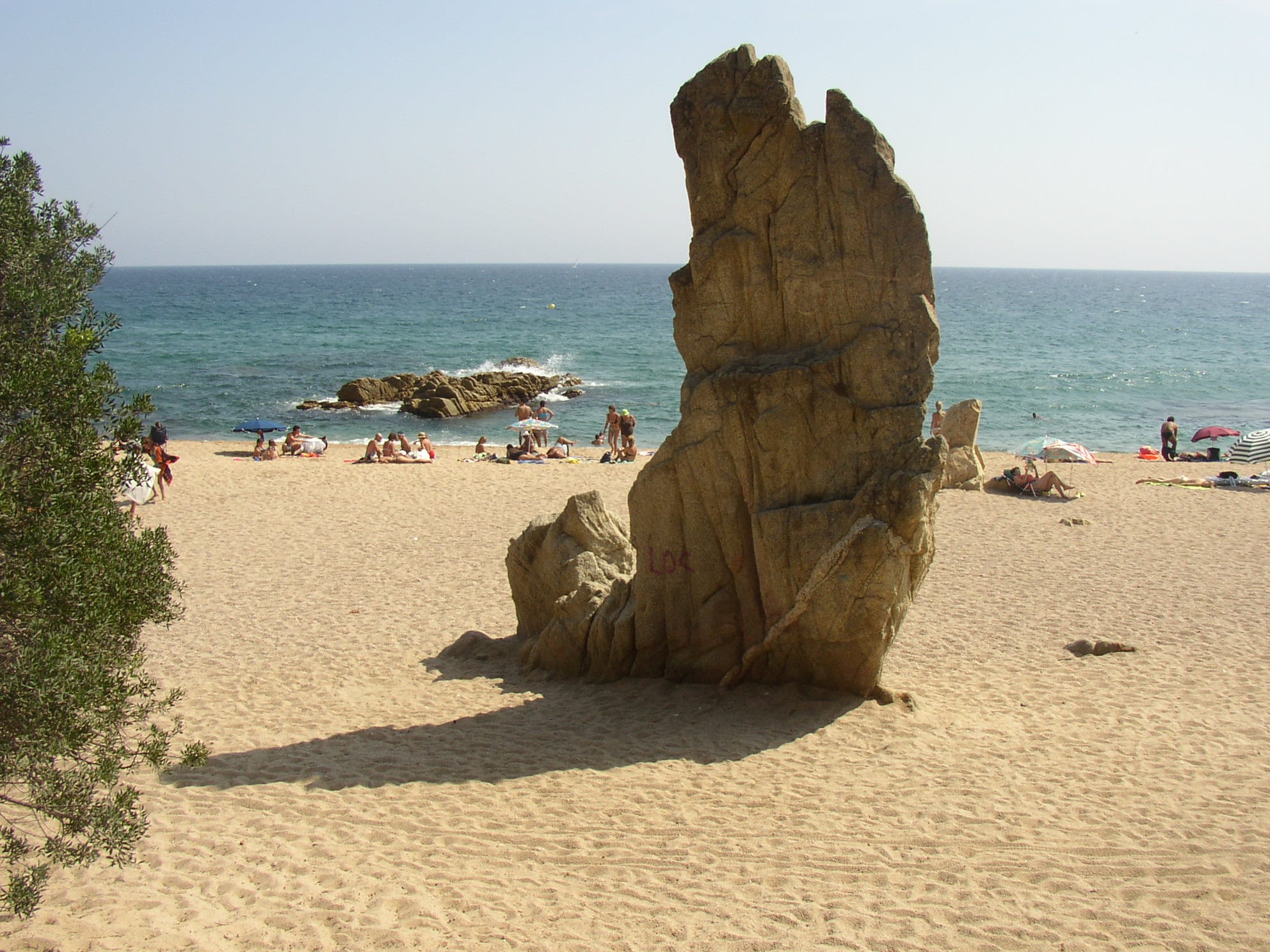
Costa Brava

Catalonia

COLLABORATION

FOLLOW OUR ADVENTURES

01

02

03

DON'T MISS THE TIPS

Car Transport on Holiday

With tourism development worldwide, many travelers repeatedly resort to such a service as car rental in a particular country. As car transport is convenient and
Read More »

Leave a Reply