

How To Have A Great Pet Holidays
If you’re an avid traveler and have a pet living at home, chances are you’ve often thought about going on pet holidays. A trip with pets can be relatively straightforward. Still, choosing a suitable itinerary and considering the additional conditions to make the trip a pleasant adventure for all involved is essential.
Most are cat holidays or puppy vacations, but tourists will not part with their ferrets, raccoons, or pygmy pigs.
TABLE OF CONTENT
WHERE TO GO
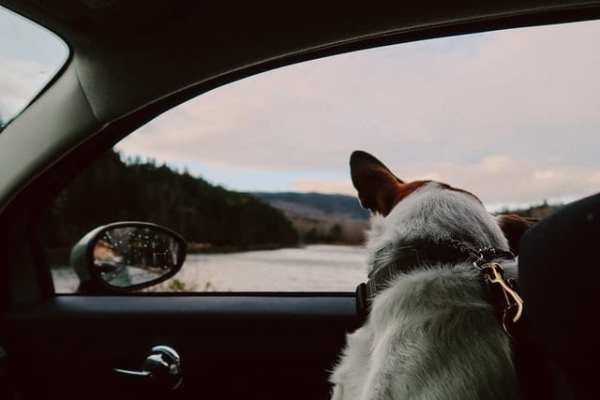
Choosing where to travel with a pet should be done carefully, as not all destinations are suitable.
Let’s look at some recreational options:
Beach holidays
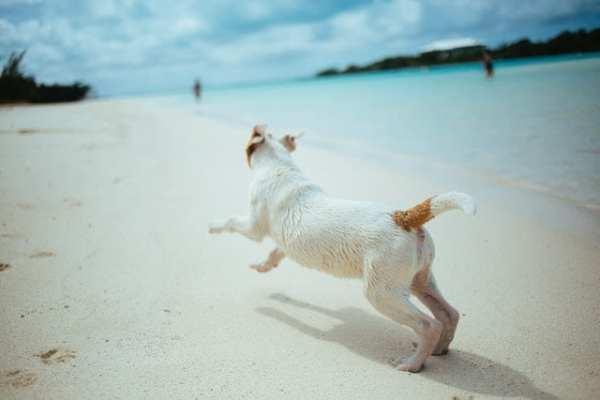
Many countries do not allow pets, especially dogs, to enter the beaches. Incredible beaches are often set aside for this purpose. Keep this in mind when choosing a resort. Ensure the hotel does not mind pets and their presence in the common areas.
Nature parks/mountains
Most nature parks and mountain areas are pet-friendly, but there are exceptions (especially fenced areas with paid entry). So make sure you know all the information in advance. Do not forget to keep your dogs on a leash, especially near other tourists.
Town/countryside
Some towns have:
- Excellent facilities for puppy vacations;
- Separate fenced parks for walking;
- Special sandpits, where there is little space;
- Particular bins for cleaning up after your pet, where sometimes you can even find free disposable bags and gloves.
There are localities where many hotels welcome tourists with pets with warmth and kindness.
But before visiting a town or village in a new country, familiarize yourself with the regulations on walking your pet. Many towns have selected walking areas (see above). Make sure you clean up after your pet has done its business. Keep dogs on a leash. Remember that not everywhere you can walk a dog of a certain race without a muzzle. In some countries, you must pay an extra fee for walking your pet on the street.
Countries with a compulsory pet quarantine
In some countries, you must quarantine your pets at the border for two weeks or more, so you shouldn’t travel there with your pet.
BUDGET AND EXPENDITURE DURING PET HOLIDAYS
It should plan a budget based on your needs. The price range here can be extensive. Both budget holidays and expensive luxury resorts are available for your beloved pet.
Save money for unplanned expenses such as vet bills and extra food for your pet.
HOW TO TRAVEL

Getting there is a lot easier once you’ve chosen a holiday destination. Let’s look at some modes of transport you can use to travel with your pet:
Car (rarely a motorbike)
The car is one of the most convenient means of transport for traveling with your pet. You have free rein here; for example, you can stop and walk your pet whenever you want and let it move around. Your pet won’t be as nervous as on an airplane.
When traveling by car, make sure your pet travels safely in its back seat so that it won’t suffer injury from an airbag in the event of a minor accident. A small pet should preferably be placed in a carrier and secured to avoid falling over during braking. The dog must also be restrained with a special seatbelt or separated from the driver by safety dog car barriers to prevent it from causing an accident.
Never leave your pet in the car for too long or leave it unattended.
Remember that such a vehicle will not get you far and is best suited for traveling within its own country or neighboring countries.
Airline pet quarantine
This is a popular means of transport for traveling with your pet on holidays. Carrying a pet on an airplane is, in most cases, at an extra cost. However, note that each airline company has different rules for transporting pets, so you should first read the rules and get authorization from the company about one day before departure. To do this, request the airline’s e-mail address with your pet’s reservation, flight number, size, weight, and species. You also must get international veterinary documents and prepare a spacious pet carrier with a watertight bottom.
If your pet is lightweight, it may travel with you in the cabin. If your pet weighs quite a lot, it will be sent to the luggage compartment.
Sometimes a dog and a cat are not allowed in the cabin for the same flight, and the pet you check in later will fly in the hold.
Tiny kittens and puppies (up to around 3-8 months old) are often unaccepted.
After presenting the required documents, people who need to be accompanied by a guide dog may take the dog on board for free. The dog must be muzzled, on a lead, and tied to the owner’s seat.
Arrive at the airport well in advance, and remember that check-in with your pet may take a couple of hours. Try to fly without connections, mainly if your pet travels in the luggage compartment.
Before choosing an airline, read reviews and how they treat pets during transport. Try to travel with your pet during the off-season when there are few tourists and little luggage.
Train
Many rail carriers allow you to travel with pets, but for this, as in the plane case, you need to buy a special ticket and apply for veterinary documents. Often one tourist can carry with them only 2-3 animals. You can take a pet with you in the compartment or sit with him only on specific seats. Some companies require that you buy the entire row (or even more space) to travel with a pet.
Small pets must be placed in a special box (you can place them on the hand luggage shelf), and larger ones must be kept on a leash.
From the documents, it should be issued a veterinary passport. If you travel by train to another country, it should give an international veterinary certificate (see below).
Placing a small animal in a container is also advisable in electric trains. Larger dogs must have a muzzle and a leash from their owner.
Guide dogs may travel with their owners for free on any train but with all necessary documents.
Ferry/cruise liner
Rules for traveling with your pet on a ferry vary from company to company. A small, quiet animal is usually allowed in a specific container and carrier. Some ferries have decks and sandpits where pets can go to the toilet. If you travel within your own country, you may only need a veterinary passport for your pet. If you’re traveling abroad by ferry, it will require international documents (see below).
As for traveling with a pet on a cruise liner, they don’t let you embark most of the time. Only some big companies allow you to take a small pet on intercontinental cruises.
It’s also possible to take a pet on a cruise for medical reasons with a special certificate from the doctor if the ship’s crew allows it.
DOCUMENTS FOR TRAVELING ABROAD WITH A PET
Going on pet holidays in another country requires preparing all the documents and clarifying whether animal importation is prohibited. Otherwise, your pet may be quarantined for quite a long time. And also, from what age can you import it?
- Ensure all necessary vaccinations are done (at least one month before the trip), and get a veterinary passport.
- Your pet should receive a certificate from the National Veterinary Clinic a couple of days before your trip, confirming that your pet can travel abroad. This document shall be valid for several days to a week. It shall serve, amongst other forms, as grounds for an international veterinary certificate at the airport (which must be obtained).
- The pet may also need to be chipped to travel to a specific country. This is not required everywhere, but some countries require an import certificate, including information about the pet’s chipping and vaccinations. These countries are Japan, the USA, France, the UK, and Finland.
- Be sure to treat your pet for parasites (fleas/worms). Make sure this is documented.
- Traveling with pigeons is difficult in many countries, as bringing them is hard or not allowed. It requires a health certificate for transporting birds in some countries. There are also restrictions on the number of birds (often, it can cart no more than 5).
- Also, consider additional regulations depending on your chosen transport and country.
- Travel to some countries also requires a Rabies Immunization Certificate (for example, to China).
Travel with an exotic animal, such as a snake or monkey. You will additionally have to prove the legality of the purchase and request authorization from the Convention on International Trade in Endangered Species of Wild Fauna and Flora (CITES).
PET INSURANCE
During your trip, it is possible to ensure the tourist with two legs (and his luggage) and one with four. Such insurance is usually inexpensive and is taken out for the duration of the trip. Cat insurance is cheaper than for dogs. The amount of insurance also depends on the breed’s type and species, its participation in exhibitions, and the titles gained. It is worth remembering that many insurance companies only insure pets under ten years of age.
WHERE TO STAY

Familiarise yourself in advance with the rules of entry to your chosen accommodation. Not all hotels or even flats or houses accept pets. There are also restrictions on the size and type of pet (for example, it might not allow you to stay with a crocodile).
HOTEL
When choosing a hotel, look for an addition ‘Pets allowed.’ Not all hotels will accept a pet. Small and non-dangerous animals (often cats and dogs) are allowed and must be in a carrier. Even if the hotel provides this option, it may not allow you to stay if the animal is too big. To avoid getting messy, check with the hotel you are considering finding the details.
In many hotels, pets may only be left unattended in a carrier. Your pet must not be present during cleaning. Don’t forget to check with the hotel where you can walk your dog. Also, bring your pet’s veterinary passport, some food, and disposable diapers.
Pet Hotel
Many developed countries have excellent pet-friendly hotels. They are often located near regular hotels. If you do not have someone to leave your pet at home with or want to vacation with him, and the hotel does not provide pet accommodation, you can look for such a pet hotel nearby and arrange great puppy vacations.
- There are hotels that are pet-friendly (close to the average hotel).
- Often there is a breakfast
- Housekeeping
- Many hotels do not accept pets or large pets
- You should prepare a lavatory for your pet.
- There is not always a place to walk your pet
HOUSE
Often renters allow guests with pets to move in with little trouble, especially if they are small. If the pet is large, it is worth discussing with the owners. Sometimes there are spacious dog enclosures/kennels and a small area for pets to walk around.
- Privacy
- Spacious
- Often has a garden or swimming pool
- There is space to play with your pet
- Pet food and toilet facilities are more comfortable to arrange
- Expensive
- Cleaning charges apply
- Far from the center
- Deposit
APARTMENT
This is a more comfortable option than a hotel, but it does not always allow you to check in with the pet. You should check with the landlord in advance. If yes, you will have a spacious flat with a kitchen, washing machine, and microwave.
- More comfortable to walk your pet
- More comfortable to arrange food and toilet facilities for the pet
- Great choice of location
- Good value for money
- There are flats you can't bring your pet into
- Cleaning for a fee or on your own
- Deposit
Other suitable options are:
CAMPING / CARAVAN
A caravan is very convenient in the sense that you can both live and travel with your pet. Here, as with a car, you have complete freedom. The only downside is that you can’t get far in a caravan, which can be cramped. Restrictions can only be on your part.
The campsite is suitable for nature and outdoor lovers. You can rent a place for a tent or a small wooden house. They often like to rest large families with their beloved animals in these places. This is convenient, especially if the pet is a large dog.
- Cheap if the caravan is own
- Independence
- Proximity to nature
- Outdoor activities
- Often allowed with large pets
- Easy to organize food and toilet facilities for the pet
- Expensive if the caravan is hired
- Find safe places to sleep overnight
- Need to look for unique toilet and shower stations
- Need an adequate supply of water, gas, or electricity for cooking
- Can be crowded
- Insects (mosquitoes, midges, ticks, etc.)
- It's uncomfortable to cook
LUGGAGE

Besides your luggage, consider that you will have a cage/container for your pet, which can take up a lot of space, as your pet must stand upright and turn around. You may need a reinforced kennel if your pet is a dangerous breed.
Try to bring plenty of comfort and necessities for you and your pet. Don’t forget water and food for everyone.
Take care of the first aid kit, including your pet. Ask your veterinarian if additional medication needs to be purchased.
MEALS
If you have accommodation with a kitchen, it might be a little easier to eat during your pet holidays.
Look carefully at what’s on sale in the supermarkets of the place you want to visit. Find out if the food your pet eats is available there. If not, take food with you if possible.
Many cafes and restaurants do not allow pets. However, you may be there with your pet if you choose an outside terrace. Restaurants in large cities allow you to eat with your pet without problems. There are menus for people and pets. Often dog-friendly restaurants can be found in many major cities. They are popular in the USA, Canada, UK, France, and Singapore.
HOW TO GET AROUND
You have a variety of options for getting around depending on the location and your individual preferences:
Public transport
In many countries, taking your pet on public transport may not be possible. Small animals must be transported in a carrier, and dogs must be leashed and muzzled if possible. That’s not the most comfortable option when traveling with a pet.
Cycling/walking
A good option is to rest in one place and walk nearby. Especially this way of moving can appeal to dogs. At the same time, a dog on a bike can sit in a basket or a special trailer.
Car
Renting a car is an excellent option if you frequently move from one location to another.
WHAT TO SEE, WHERE TO GO
TAttractions (museums/theatres/galleries etc.) here are often restrictions or additional conditions for tourists with pets when visiting a place. Let’s look at some options:
The choice of attractions to take your pet to is relatively limited. Try to find out the entrance rules on their websites in advance. Open-air attractions are considered more accommodating. Many museums and theatres do not allow pets.
Nature parks/mountains
This is a kind of everyday situation. Most enclosed parks are open to cats and dogs (dogs must be on a leash). If the nature area is not fenced, entry is free, and walking with pets will likely be allowed.
Beaches
Some beaches do not allow pets. For this purpose, there are often alternative, remarkable beaches. They are specially marked. For example, one such dog beach is Original Dog Beach in California (USA).
Puppy vacation lovers, wherever you go, do not forget to bring a dog leash and muzzle and a disposable glove and bag to clean up after your pet relieves himself. Otherwise, you may receive a hefty fine for damaging public property.
PROS & CONS OF HOLIDAYS WITH KIDS
- It's more fun to travel with your beloved pet, and you don't have to worry about how he's doing at home without you.
- You can have a pretty active holiday.
- Traveling with a pet means you can't visit many indoor attractions that cost a pretty penny to enter, so you save money on your trip.
- Sometimes, traveling with a pet can also be protective. In traveling in a motorhome, traveling with a large dog is much safer than traveling alone.
- Not all destinations and countries allow you to travel with a pet.
- Many hotels do not allow pets. It will also be more challenging to choose the restaurant you want.
- Not all places have an excellent vet nearby, just in case.
- A trip can be very tiring for your pet, especially if it's by plane.
WHAT ELSE TO CONSIDER WHEN TRAVELING WITH PETS

Your pets give them more of your time and attention, as most animals are unconditionally loyal to and love us for who we travel. We wish you pleasant pet holidays!
- Seek advice from your vet before you travel, if possible. Remember that there are cat and dog breeds (such as the brachycephalic breed) that do not tolerate air travel, and therefore boarding may be refused.
- Try to be sensible; if your pet is too old or unhealthy, it may be best left at home with a relative or in an animal hotel. You can also travel close to home to visit your vet quickly.
- Avoid the hottest and coldest months, especially if the animal will travel independently in the hold of an aircraft.
- Put your pet’s contact details on the carrier/container and collar.
- Do not feed your pet fatty food before the journey. It is advisable to time your journey begins at least 3 to 5 hours after you have eaten. Offer water to your pet more often.
- Like a human, a pet needs attention and care, especially in a new place, so consider whether you will be with your pet most of the time during the trip.
- Don’t forget about toilet arrangements for your pet. You can do this with a disposable absorbent nappy, a small double-bottomed folding litter tray, and disposable nappies for the littlest ones (as a temporary measure).
- Try to walk your pet before boarding an airplane or train so they have to go to the toilet in a proper place.
- Buy a carrier and new leash so your pet gets used to them beforehand.
Important consideration
Please do not take any exotic animal you like out of the country without all the necessary paperwork when allowed. In many countries, it is forbidden and punishable by a considerable fine or imprisonment. There are some animals that you may not take abroad at all.
CONCLUSION
To sum up, let’s remember the most important things once again:
-
- We go with our pets to proven places where all holidaymakers will have fun, and there will be no temporary quarantine for the pet;
- don’t forget to get all vaccinations and documents beforehand;
- remember about the correct transportation and basic needs of your pet during the trip;
- know all the rules about keeping your pet in the hotel.
Also, keep in mind the peculiarities of your pet. If he has a lot of hair, traveling in hot summer weather may be challenging. Conversely, in cold weather, a pet without fur needs extra protection.
Your pets give them more of your time and attention, as most animals are unconditionally loyal to and love us for who we travel. We wish you pleasant pet holidays!
Join The Ride
Subscribe to our fortnightly newsletter with stories from our latest adventures and the best travel tips
Discover more from TravelForClick
Subscribe now to keep reading and get access to the full archive.
Continue reading